Fertilizer 101 for Houseplants
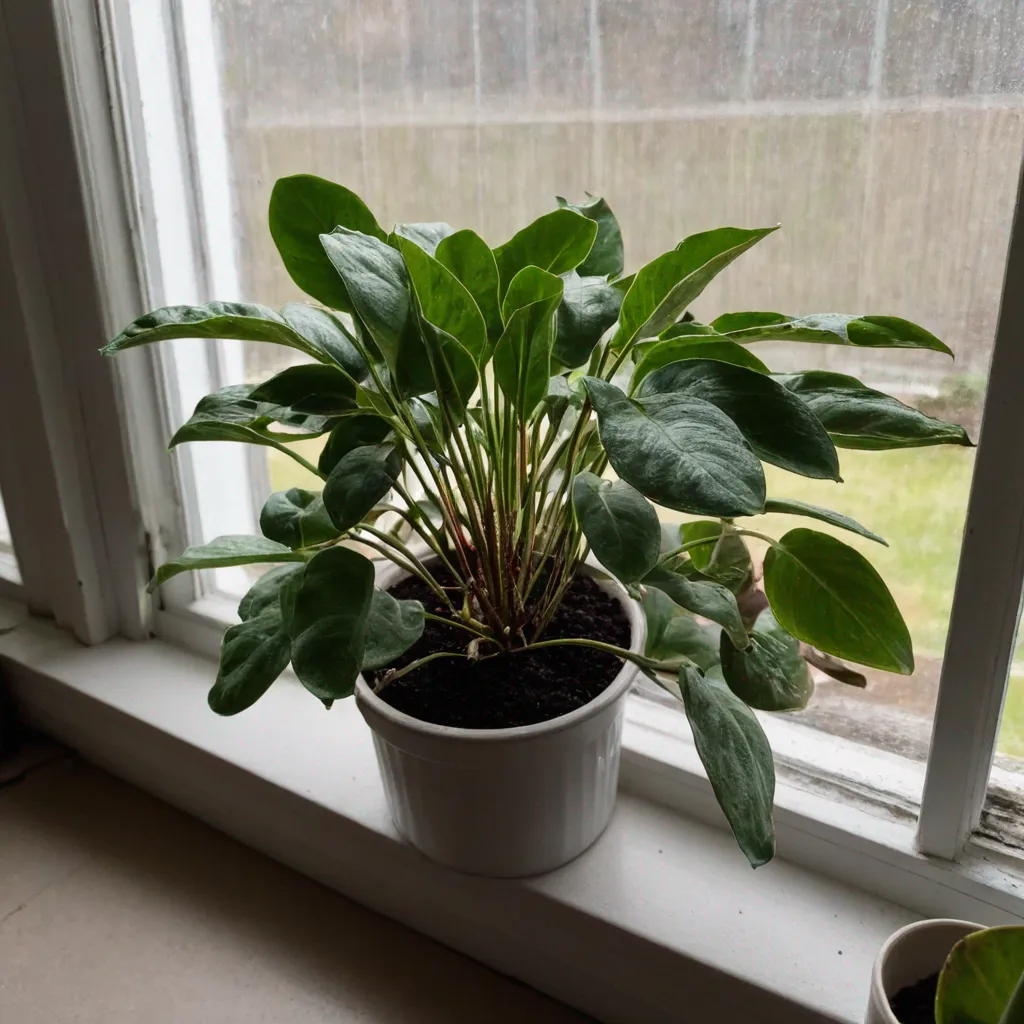
Fertilizer 101 for Houseplants
Section titled “Fertilizer 101 for Houseplants”I killed my first pothos by overfeeding it.
I know, I know. Pothos are supposed to be unkillable. But I was convinced that if a little fertilizer helped, a lot would help more. I fed it every week with full-strength plant food, and within a month, the leaf tips turned brown and crispy. Then the roots turned to mush. I learned my lesson the hard way.
Fertilizer confuses a lot of people because we treat it like plant magic, something that will fix all our problems. But really, it’s just food. And just like you wouldn’t eat Thanksgiving dinner every single day, your plants don’t need to be fed constantly either.
This guide will help you figure out what those confusing numbers on fertilizer bottles actually mean, when to feed your plants, and how to avoid making the same mistakes I did.
Understanding N-P-K numbers
Section titled “Understanding N-P-K numbers”Every fertilizer bottle has three numbers on it, usually separated by dashes. Something like 10-10-10 or 3-1-2. For the longest time, I had no idea what these meant. I just grabbed whatever looked nice at the store.
These numbers represent nitrogen, phosphorus, and potassium. That’s what N-P-K stands for. They tell you the percentage of each nutrient in the fertilizer by weight. So a 10-10-10 fertilizer has 10% nitrogen, 10% phosphorus, and 10% potassium. The rest is usually filler material that helps distribute the nutrients evenly.
Nitrogen is what makes leaves green and helps plants grow tall. If your plant looks pale or yellowish and isn’t putting out new growth, it might need more nitrogen. Phosphorus supports root development and flowering. Potassium helps with overall plant health and disease resistance. According to the University of Maryland Extension, potassium also helps regulate water movement in plants, which is why a deficiency can make leaves look scorched around the edges.
For most houseplants, you want a balanced fertilizer. Something like 10-10-10 or 20-20-20 works fine. I use a 3-1-2 ratio on my foliage plants because they need more nitrogen for leaf growth. If you have flowering plants like African violets or orchids, you might want something with a higher middle number to encourage blooms.
Here’s the thing nobody tells you: those numbers don’t tell you everything. A 10-10-10 synthetic fertilizer works differently than a 3-1-2 organic one. The synthetic version releases nutrients faster, while organic fertilizers break down slowly over time. You can’t just compare numbers and assume they’ll work the same way.
I learned this when I switched from synthetic to organic fertilizer on my snake plants. I kept using the same feeding schedule, but my plants started looking pale. Turns out, organic fertilizers need time to break down before plants can use them, so I needed to feed more often than I thought.
Organic vs. Synthetic fertilizer
Section titled “Organic vs. Synthetic fertilizer”I’ve used both, and honestly, they each have their place. Synthetic fertilizers are made from mineral salts. They dissolve in water and give your plants an immediate nutrient boost. Organic fertilizers come from plant or animal materials, like fish emulsion, worm castings, or composted seaweed.
The main difference is speed. When you use synthetic fertilizer, your plant can absorb those nutrients right away. This is great if you have a plant that’s clearly struggling and needs help fast. But it also means you can overdo it easily. Those salts build up in the soil over time, which is exactly what happened to my poor pothos.
Organic fertilizers work slower because soil microbes need to break them down first. This means less risk of burning your plants, but it also means you won’t see results overnight. I like organic options for my everyday feeding because I’m forgetful. If I accidentally feed twice in one month, the slow release means I probably won’t hurt anything.
There’s another benefit to organic fertilizers that I didn’t appreciate until recently. According to research from the Rodale Institute, organic amendments improve soil structure over time. They feed beneficial microbes in the soil, which helps with long-term plant health. Synthetic fertilizers just give nutrients without doing anything for the soil itself.
That said, I still keep a bottle of synthetic fertilizer around. When I bring home a new plant that looks rough from the garden center, sometimes it needs a quick nutrient boost. And during growing season, my fast-growing plants like philodendrons seem to do better with the occasional synthetic feeding.
The downside of organic fertilizers? Some of them smell terrible. Fish emulsion works great, but I can only use it on plants I keep on my balcony. My roommate threatened to move out when I tried using it on my indoor monstera.
 Above: A close up look at the symptoms.
When to feed your plants
Section titled “When to feed your plants”This is where I messed up for years. I thought plants needed food all the time, like we do. But plants only actively grow during certain times of the year, and they only need fertilizer when they’re actively growing.
Most houseplants grow during spring and summer when the days are longer and the light is stronger. During fall and winter, they go into a rest period. Their growth slows down or stops completely. If you keep feeding them during this time, the nutrients just sit in the soil because the plant isn’t using them. Those unused nutrients can build up and cause fertilizer burn.
I feed my plants from March through September, roughly every three to four weeks. Some people feed more often with a weaker solution. I have friends who fertilize every time they water but use quarter-strength fertilizer. According to the University of Georgia Extension, this “weakly, weekly” approach can work well because it provides a steady supply of nutrients without the risk of overfeeding.
I tried that method for a while, but I kept forgetting whether I’d used fertilizer or plain water last time. Now I just mark my calendar for once a month during growing season. It’s simpler for my brain.
There are exceptions to the spring and summer rule. If you have grow lights that provide consistent light year-round, your plants might keep growing through winter. In that case, you can keep feeding them, but I’d still cut back to half strength or feed less often.
Also, newly repotted plants don’t need fertilizer right away. Fresh potting soil already has nutrients in it. I wait at least a month, sometimes two, before I start feeding a plant I’ve just repotted. Otherwise, you risk overwhelming the roots while they’re trying to establish themselves in new soil.
Signs of fertilizer burn
Section titled “Signs of fertilizer burn”I can spot fertilizer burn from across the room now because I’ve caused it so many times. The most obvious sign is brown, crispy leaf tips and edges. It looks a bit like the plant is drying out, but the soil is still damp. That’s because excess fertilizer salts pull moisture out of the plant’s tissues.
Sometimes you’ll see a white, crusty buildup on the soil surface or around the drainage holes. That’s salt accumulation. If you see that, your plant has been getting too much fertilizer. I scrape off the crusty bits and flush the soil with plain water to wash out excess salts.
Yellow leaves can also indicate fertilizer burn, especially if the yellowing starts at the leaf tips and works its way in. But yellow leaves can mean so many things (overwatering, underwatering, not enough light, pests), so I look for other signs too.
If I catch fertilizer burn early, I can usually save the plant. I flush the pot with plain water, letting it run through the drainage holes for a few minutes. This washes out excess salts. Then I don’t feed the plant again for at least a month, sometimes longer. The damaged leaves won’t recover, but new growth should come in healthy.
My burned pothos didn’t make it because I didn’t catch it in time. By the time I realized what was wrong, the roots were already damaged. Root burn is the serious version of fertilizer burn. The roots turn brown and mushy, just like they do with root rot from overwatering.
The easiest way to avoid fertilizer burn is to feed less than the package recommends. I know that sounds wasteful, but most fertilizer instructions are written for outdoor plants or agricultural use. Houseplants need less because they’re growing in containers with limited space. I use half strength on almost everything, and my plants do fine.
 Above: The tools you need to fix this.
Types of fertilizer
Section titled “Types of fertilizer”When I first started keeping plants, I thought fertilizer was fertilizer. Then I went to the garden center and stood in the aisle for twenty minutes trying to figure out why there were so many options.
Liquid fertilizer is what I use most often. You mix it with water and pour it on the soil when you water. It’s easy to control the strength, and it works fast. I keep a bottle of liquid fertilizer next to my watering can so I remember to use it. The downside is that you have to remember to do it. If you’re forgetful like me, your plants might not get fed consistently.
Granular fertilizer comes in small pellets that you sprinkle on top of the soil. It releases slowly over time as you water. I use this on my bigger floor plants like my fiddle leaf fig because I don’t want to mix up gallons of fertilizer water to feed one huge plant. The granules are convenient, but it’s harder to control exactly how much fertilizer the plant gets.
Fertilizer spikes are sticks you push into the soil. They dissolve slowly over a few weeks. Honestly, I’m not a fan. The fertilizer concentrates around the spike, so some roots get lots of nutrients while others get none. But I know people who swear by them, especially for plants they tend to neglect.
Slow-release fertilizer pellets are different from spikes. These are tiny coated balls that you mix into the potting soil. They release nutrients gradually over several months. According to North Carolina State University Extension, the coating breaks down based on temperature and moisture, which means the release rate matches plant growth to some extent. I use these in my outdoor pots because I don’t have to think about fertilizing all summer.
For indoor plants, I stick with liquid fertilizer because I like having control. If a plant looks like it needs more food, I can give it an extra feeding. If it seems stressed, I can skip a month.
There are also specialty fertilizers marketed for specific plants. Orchid food, cactus food, African violet food. Are they necessary? Not really. Most of these are just regular fertilizers with slightly different N-P-K ratios and fancy labels. That said, I do use orchid fertilizer on my orchids because it has a higher phosphorus content that seems to encourage blooming. But my succulents do fine with regular balanced fertilizer.
One type of fertilizer I avoid is anything with added pesticides or “plant food plus” formulas that claim to do everything at once. I’d rather deal with pests separately if they show up, and I don’t want chemicals I didn’t ask for in my soil.
The truth is, most houseplants aren’t picky. They’ll do fine with a basic balanced fertilizer as long as you don’t overdo it. I’ve kept plants alive with cheap liquid fertilizer from the grocery store and with fancy organic fish emulsion from the specialty garden shop. Both worked. The expensive stuff maybe worked a tiny bit better, but not enough that I could prove it.
Start simple. Get a basic liquid fertilizer, use it at half strength once a month during the growing season, and see how your plants respond. You can always adjust from there. And if you accidentally kill something like I did with my pothos, don’t beat yourself up. That’s how we learn.
References
Section titled “References”University of Maryland Extension. “Fertilizing Houseplants.” Home and Garden Information Center. https://extension.umd.edu/resource/fertilizing-houseplants
Rodale Institute. “The Benefits of Organic Fertilizer.” https://rodaleinstitute.org/why-organic/organic-farming-practices/organic-fertilizer/
University of Georgia Extension. “Houseplant Fertilization.” https://extension.uga.edu/publications/detail.html?number=B1318
North Carolina State University Extension. “Houseplant Fertilization.” NC State Extension Publications. https://content.ces.ncsu.edu/houseplant-fertilization