Moldy Soil: Causes and Fixes
Moldy Soil: Causes and Fixes
Section titled “Moldy Soil: Causes and Fixes”Last week, I walked into my living room and spotted something weird on my pothos. A patch of white fuzz sitting right on top of the soil, looking like someone sprinkled cotton candy around the base of the plant. My first thought? Panic. My second thought? Google. My third thought? I should probably write about this because I bet I’m not the only one freaking out.
Mold in houseplant soil is one of those things that makes you question everything you’ve been doing. You start wondering if you’ve been overwatering, if your apartment is secretly a swamp, or if the plant is doomed. The good news is that most soil mold is more annoying than dangerous, and you can usually fix it without throwing out the entire plant. Let me walk you through what I’ve learned.
Identifying white fuzzy mold
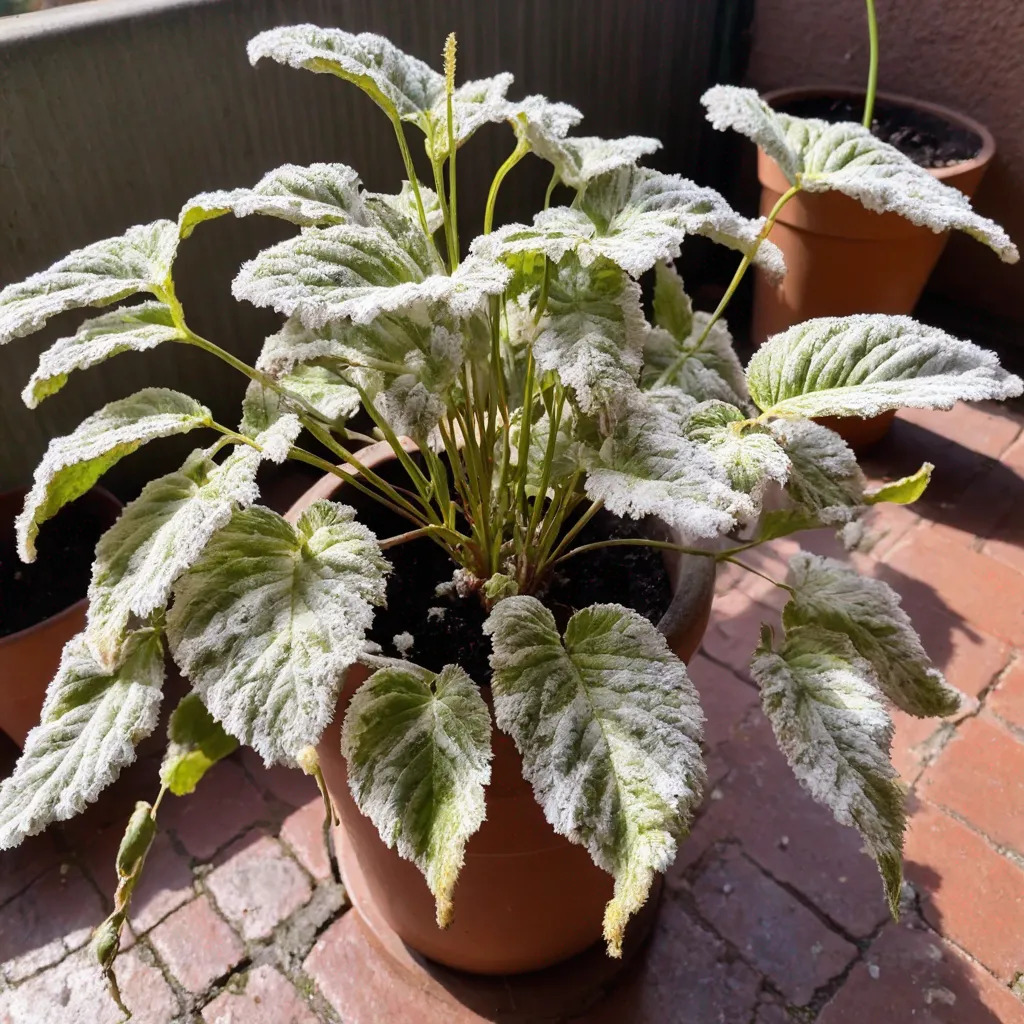
Section titled “Identifying white fuzzy mold”The white stuff on your soil is almost always saprophytic fungus. That’s a fancy term for fungus that feeds on dead organic matter in your potting mix. It looks like cotton, spider webs, or sometimes a powdery coating. You might see it clustered in one spot or spread across the entire surface.
When I first saw it on my pothos, I thought it might be mineral deposits from hard water. But mineral buildup is crusty and white, not fuzzy. Mold has texture. If you look closely (I used my phone flashlight), you can see tiny thread-like structures. That’s the mycelium, which is basically the fungus spreading its roots through your soil.
There are a few types you might encounter. The most common is white mold, but sometimes you’ll see yellow or even orange spots. I’ve also read about people finding green mold, though I haven’t personally dealt with that one yet. According to research from the University of Minnesota Extension, these molds typically appear when soil stays too wet for too long and doesn’t get enough air circulation.
You’ll usually spot mold in winter or in bathrooms where humidity is higher. I noticed mine in January when I wasn’t opening windows as much, and my plants were drying out slower because of the shorter days. The soil just sat there, damp and stagnant, creating a perfect little fungus hotel.
Is it harmful to the plant?
Section titled “Is it harmful to the plant?”Here’s the part that made me feel better. Most soil mold won’t hurt your plant directly. The fungus is feeding on decomposing bark, peat, or other organic components in your potting mix. It’s not attacking your plant’s roots or leaves.
That said, mold is a symptom of a bigger problem. If your soil is moldy, it means the conditions are off. Too much moisture, not enough drainage, poor airflow, or a combination of all three. Those conditions can lead to root rot, which absolutely will kill your plant.
I learned from a study published in the journal HortScience that consistently waterlogged soil creates an anaerobic environment. That means the roots can’t breathe properly. When roots suffocate, they start to rot, and that’s when your plant goes downhill fast. So while the mold itself isn’t the enemy, it’s a warning sign that you need to change something.
There’s also the issue of mold spores in your home. If you have allergies or respiratory sensitivities, breathing in fungal spores isn’t ideal. I don’t have allergies, but my friend Sarah does, and she told me she has to be careful about mold in her plant collection because it triggers her asthma. The American Lung Association notes that indoor mold can irritate the lungs, eyes, and skin in sensitive people.
Bottom line: the plant will probably survive the mold, but you might not want to live with it long term.
 Above: A close up look at the symptoms.
Using cinnamon as a fungicide
Section titled “Using cinnamon as a fungicide”When I was researching solutions, I kept seeing people recommend cinnamon. I was skeptical. How could a spice from my kitchen cabinet kill mold? But then I dug into the research and found out cinnamon actually has antifungal properties.
A study from the Kansas State University Research and Extension confirmed that cinnamon contains compounds like cinnamaldehyde that can suppress fungal growth. It won’t work like a chemical fungicide, but it can help prevent mold from spreading.
Here’s what I did with my pothos. I scraped off the visible mold from the top layer of soil (more on that in a minute), then sprinkled a light dusting of ground cinnamon over the surface. Not a thick layer, just enough to lightly cover the soil. I used regular grocery store cinnamon because that’s what I had.
The cinnamon seemed to help. I didn’t see new mold growth in that spot, though I also changed my watering habits at the same time, so it’s hard to say how much credit the cinnamon deserves. I think of it more as a preventative measure than a cure.
One thing to note is that cinnamon won’t fix the root cause. If your soil is staying too wet, you’ll keep getting mold no matter how much cinnamon you use. I made that mistake with a snake plant last year. I kept adding cinnamon, but the pot had no drainage hole, so the soil was basically a swamp. The mold kept coming back until I finally repotted the plant.
Some people also use cinnamon when propagating cuttings to prevent rot. I tried this with a philodendron cutting, and it worked pretty well. I dipped the cut end in cinnamon before putting it in water, and I didn’t get any of that slimy rot that sometimes happens.
Increasing airflow
Section titled “Increasing airflow”This is probably the most important fix, and it’s something I didn’t think about until I started researching. Stagnant air creates the perfect environment for mold. Think about it: mold grows in damp, closed-off spaces like basements and bathrooms. Your plant pot can become a tiny version of that if there’s no air movement.
I used to keep my plants clustered together on a shelf in the corner of my bedroom. It looked nice, but there was zero airflow back there. After dealing with the mold issue, I spread them out more and moved a few closer to where I have a ceiling fan.
If you don’t have a fan, even just cracking a window helps. I know that’s hard in winter, but even 10 minutes of fresh air a few times a week makes a difference. The University of Georgia Extension recommends improving ventilation as one of the key strategies for managing fungal growth in container plants.
You can also use a small desk fan on low speed. I bought one of those USB fans from Amazon for like 15 dollars and aimed it so it oscillates across my plant shelf. I don’t run it constantly, just for a few hours a day. The goal isn’t to blast your plants with wind, just to keep the air from sitting still.
Another trick is to avoid overcrowding. I know it’s tempting to create a little jungle corner, and I’m guilty of this too. But when plants are crammed together, the air can’t circulate between them. Their leaves touch, water doesn’t evaporate as quickly, and mold loves it.
Also, check your pot. If you’re using a decorative pot without drainage, water sits at the bottom and creates a humid microclimate inside the pot. I learned this the hard way with a ceramic pot that I thought looked beautiful but had no hole. The soil on top looked fine, but underneath it was a soggy mess.
 Above: The tools you need to fix this.
Removing mold safely
Section titled “Removing mold safely”When you actually see mold on your soil, you need to get rid of it. I put off doing this at first because I wasn’t sure how, and I was worried I’d make it worse.
The first step is to scrape off the moldy layer. I used an old spoon and gently removed about half an inch to an inch of the top soil. You want to get all the visible mold, but you don’t need to dig down to the roots. I put the moldy soil directly into a plastic bag, sealed it, and threw it in the outside trash. Don’t compost it, and definitely don’t just dump it in your indoor trash where spores can spread.
After removing the mold, I let the soil surface dry out completely. This is hard for me because I’m an anxious plant parent and I want to water everything all the time. But the soil needs to dry. I stuck my finger in to check moisture levels, and I only watered when the top two inches were dry.
Some sources recommend replacing all the soil, especially if the mold keeps coming back. I haven’t had to do this yet, but I did repot one of my plants into fresh mix just to be safe. If you go this route, make sure to use a well-draining potting mix. I like mixes that have perlite or orchid bark mixed in because they help water flow through instead of sitting stagnant.
You should also clean the pot itself. Mold spores can hang around on the inside of the pot, so even if you remove the moldy soil, it might come back. I washed my pot with hot soapy water and let it dry completely before putting the plant back in.
Wear gloves if you’re sensitive to mold, and maybe even a mask if you’re dealing with a lot of it. I didn’t think about this until I saw someone mention it on a gardening forum, but it makes sense. You’re stirring up spores when you scrape and handle moldy soil.
One more thing that helped me: I adjusted my watering schedule. I was watering my pothos every week like clockwork because that’s what I read online. But every plant is different, and every home environment is different. My apartment is cool and doesn’t get a ton of light in winter, so my plants need way less water than they would in summer. Now I water based on what the soil actually feels like, not based on a calendar.
After dealing with mold on a few plants, I’ve realized it’s usually a combination of small things going wrong. A little too much water, not enough air, dense soil, and boom, you’ve got fuzz. The fixes are pretty simple once you understand what’s happening. Scrape it off, add some cinnamon if you want, improve airflow, and adjust your watering. Most of the time, that’s enough to stop it from coming back.
References
Section titled “References”American Lung Association. (n.d.). “How Indoor Mold Affects Your Health.” Retrieved from lung.org.
Kansas State University Research and Extension. “Cinnamon as a Fungicide for Seedlings.” Retrieved from ksre.k-state.edu.
Ruter, J. M., & Ingram, D. L. (2003). “Root-zone Temperature Effects on Growth and Physiology of Container-grown Plants.” HortScience, 38(3), 404-407.
University of Georgia Extension. “Growing Indoor Plants with Success.” Retrieved from extension.uga.edu.
University of Minnesota Extension. (n.d.). “Houseplant Diseases.” Retrieved from extension.umn.edu.