Hoya Care: The Wax Plant Guide
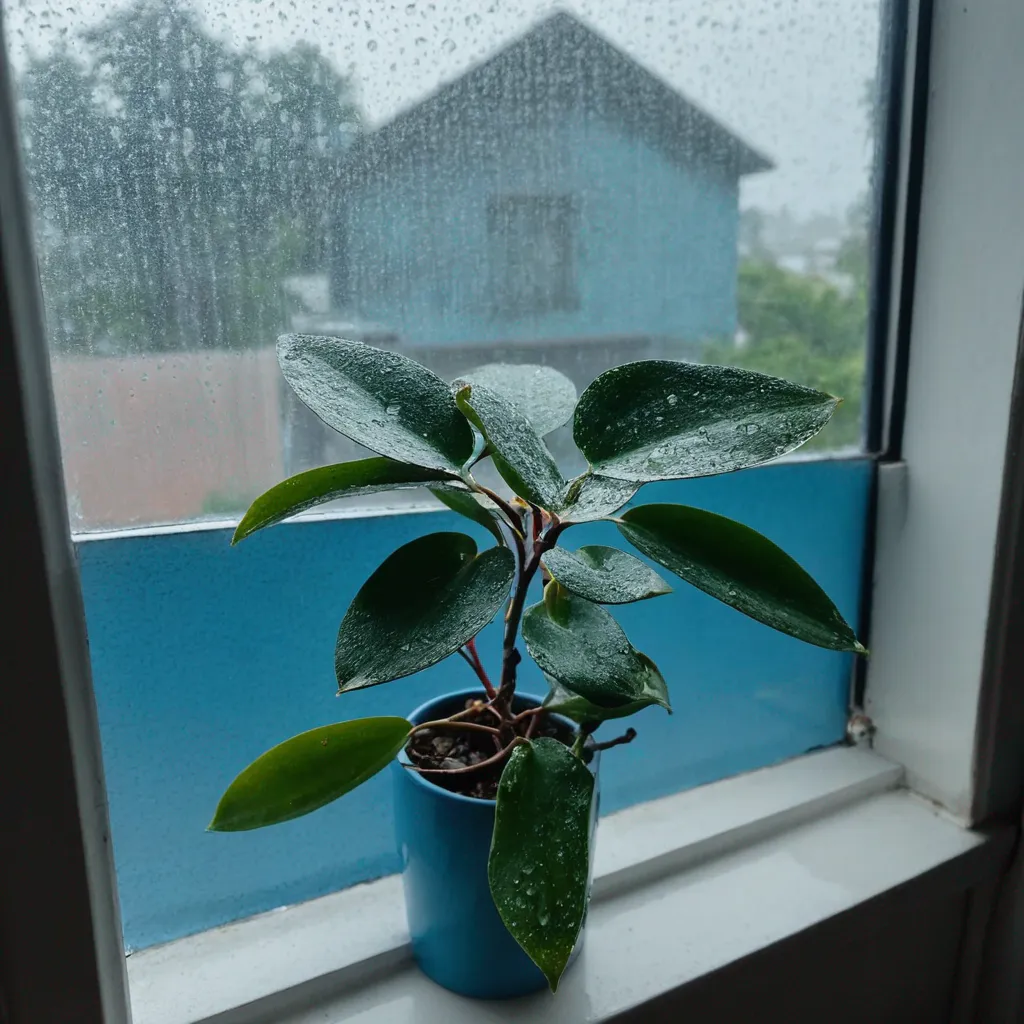
Hoya Care: The Wax Plant Guide
Section titled “Hoya Care: The Wax Plant Guide”I killed my first Hoya carnosa by being too nice to it.
I know that sounds weird, but hear me out. I treated it like my other houseplants (regular watering, medium light, the usual routine), and after about four months, the leaves turned yellow and mushy. The roots were completely rotted. I felt like an idiot because everyone online kept saying Hoyas were “easy” plants. Turns out, I was loving it to death with too much water and not enough sun.
After that disaster, I did some serious research and talked to people who actually keep these plants alive long enough to see them bloom. Now I have three Hoyas doing well in my apartment, and I finally understand what they actually need. If you have been struggling with yours, or you are thinking about getting one, this guide will save you from making the same mistakes I did.
Why Hoyas need more light than you think
Section titled “Why Hoyas need more light than you think”Most care guides will tell you Hoyas tolerate “medium to bright indirect light,” which is technically true but also misleading. They can survive in medium light, but they will not thrive. Mine sat in a north-facing window for months doing absolutely nothing. No new leaves, no growth, just existing. I moved it to a spot that gets about three hours of direct morning sun, and within two weeks, I saw new growth.
The thing about Hoyas is that they are epiphytes in the wild. They grow on trees in tropical areas where they get dappled sunlight throughout the day, sometimes pretty intense. In your home, that translates to needing more light than most other common houseplants. According to research from the University of Florida’s Environmental Horticulture Department, Hoyas perform best with bright light and can even handle some direct sun, especially morning sun which is gentler than afternoon rays.
If your Hoya is not growing or the leaves look pale, light is probably your issue. I learned this the hard way. When I finally gave mine proper light, the leaves turned a deeper green and started looking waxy and thick (which is how they are supposed to look, hence the name “wax plant”).
Here is what worked for me: I put my Hoya pubicalyx in an east-facing window where it gets direct morning sun from about 7 AM to 10 AM. The rest of the day it gets bright indirect light. My Hoya carnosa sits about two feet back from a south-facing window with a sheer curtain. It gets tons of brightness but no harsh direct afternoon sun. Both are happy.
If you only have low light in your apartment like I used to, you might want to skip Hoyas or invest in a grow light. I have not personally used grow lights because my current place has better windows, but people in plant groups swear by them for Hoyas in darker spaces.
Watering: The ‘Taco Test’ method
Section titled “Watering: The ‘Taco Test’ method”This is the trick that changed everything for me. Someone in a Facebook plant group mentioned the taco test, and it sounds ridiculous, but it works.
Basically, you gently fold one of the leaves in half (like a taco). If the leaf bends easily and feels a bit soft or floppy, the plant needs water. If the leaf is stiff and resists bending, it still has plenty of moisture. Do not water yet.
Hoyas store water in their thick, waxy leaves. They are semi-succulents. This is why overwatering kills them so easily. When I watered mine on a schedule (like every week), I drowned it. Now I only water when the taco test tells me to, which ends up being every 10 to 14 days in summer and sometimes three weeks in winter.
The soil should dry out almost completely between waterings. I know that makes people nervous, but Hoyas actually prefer to be on the dry side. Research published in HortScience journal notes that epiphytic plants like Hoyas are adapted to periods of drought and can handle dry conditions much better than consistently wet soil.
When you do water, water thoroughly. I take mine to the sink and let water run through the pot until it drains out the bottom. Then I let it drain completely before putting it back on the saucer. Never let it sit in standing water.
One more thing: If your Hoya is dropping leaves or the leaves are turning yellow, you are probably watering too much. If the leaves are shriveling or the newest growth looks wrinkled, you waited too long. The taco test helps you stay in that sweet spot.
 Above: A close up look at the symptoms.
Best soil mix for epiphytes
Section titled “Best soil mix for epiphytes”Standard potting soil is way too dense for Hoyas. It holds too much moisture and does not let enough air get to the roots. Remember, these plants grow on trees in nature. Their roots need airflow.
I make my own mix now, and it is super simple. I use about 50 percent regular potting soil, 30 percent perlite, and 20 percent orchid bark. You can also add a handful of activated charcoal if you want, but I have not noticed a huge difference with or without it.
The goal is to create a mix that drains fast but still holds some moisture. When I water, I want the water to flow through relatively quickly, not pool on top. The perlite adds drainage, and the orchid bark creates air pockets. Some people also use coco coir or chunky peat, which works fine.
If you do not want to mix your own, you can buy cactus and succulent mix and add extra perlite and orchid bark to it. Just do not use straight potting soil. I did that with my first Hoya, and again, root rot city.
The University of Georgia’s extension service recommends well-draining mixes for epiphytic plants and specifically mentions that adding coarse materials like bark improves aeration, which is critical for healthy root development. That matches what I have seen with my own plants.
For pots, always use something with drainage holes. I like terracotta because it wicks away excess moisture, but plastic works too if you are careful with watering. Just make sure water can escape.
How to get your Hoya to bloom
Section titled “How to get your Hoya to bloom”I have not actually gotten mine to bloom yet, and I am not going to pretend I have. My apartment does not get quite enough light for consistent blooming, which is apparently what these plants need. But I have researched this extensively because I really want to see those weird little star-shaped flowers everyone raves about.
Here is what the research and experienced growers say: Hoyas need a lot of light to bloom. We are talking bright, indirect light for most of the day, or even a few hours of direct sun. They also need to be root-bound. Do not repot them too often. A slightly cramped pot actually encourages blooming.
Temperature fluctuations help too. Hoyas like a slight drop in temperature at night, which mimics their natural environment. If you keep your apartment at a steady 72 degrees all the time, blooming might be harder. I lower my thermostat at night in the winter, and I am hoping that will eventually help.
Another thing, do not cut off the peduncles (the little stalks where flowers grow). Once a Hoya blooms, it will often rebloom from the same spot. If you cut that off, you are removing future blooming potential. I learned this from the American Hoya Society, which has a ton of detailed care information from people who have been growing these plants for decades.
Fertilizer might help. I use a diluted liquid fertilizer (half strength) about once a month during the growing season. Some people say using a bloom booster formula in spring can encourage flowers, but I have not tried that yet.
Honestly, if your Hoya never blooms, it is still a nice plant. The foliage is attractive on its own. But if you really want flowers, prioritize light and let the plant get root-bound before you even think about repotting.
 Above: The tools you need to fix this.
Popular Hoya varieties to collect
Section titled “Popular Hoya varieties to collect”There are hundreds of Hoya species and cultivars, which is kind of overwhelming when you are starting out. I am just going to talk about the ones I own or the ones I see most often in plant shops.
Hoya carnosa is the classic. This is the one with thick, waxy, oval-shaped leaves. It is probably the easiest to find and grow. Mine has plain green leaves, but there are variegated versions (like the Krimson Queen or Krimson Princess) with pink, white, and green coloring. I have not bought those yet because variegated plants need even more light, and I am already pushing it with my current setup.
Hoya pubicalyx is the one with darker, almost black-green leaves and silver splashes. This one grows fast compared to other Hoyas. I got mine as a small cutting last year, and it has already put out a couple feet of new growth. The flowers on this variety are supposedly deep red or purple, but again, I have not seen them yet.
Hoya kerrii is the “sweetheart Hoya” you see sold as single heart-shaped leaves in tiny pots around Valentine’s Day. Fun fact: those single leaves will almost never grow into a full plant because they do not have a node. If you want an actual Hoya kerrii plant, you need to buy one with a stem and multiple leaves. I almost fell for the single-leaf thing before I learned this.
Hoya linearis is a trailing variety with thin, fuzzy leaves. It looks totally different from the others and has a soft, cascading growth habit. I want one, but they are harder to find and supposedly more finicky about humidity.
Hoya obovata has large, round leaves with silver speckles. It is chunkier and more dramatic-looking than carnosa. I see it pop up in plant shops sometimes, but it is usually pricier.
If you are just starting with Hoyas, go with carnosa or pubicalyx. They are the most forgiving and the easiest to find. Once you get the hang of their care, you can branch out into the weirder varieties.
References
Section titled “References”University of Florida Environmental Horticulture Department. “Growing Hoyas as Houseplants.” IFAS Extension.
HortScience Journal. “Water Relations and Drought Tolerance in Epiphytic Plants.” American Society for Horticultural Science.
University of Georgia Extension Service. “Potting Media for Container Grown Plants.”
American Hoya Society. “Hoya Blooming Requirements and Care Guidelines.”