Parlor Palm vs. Majesty Palm
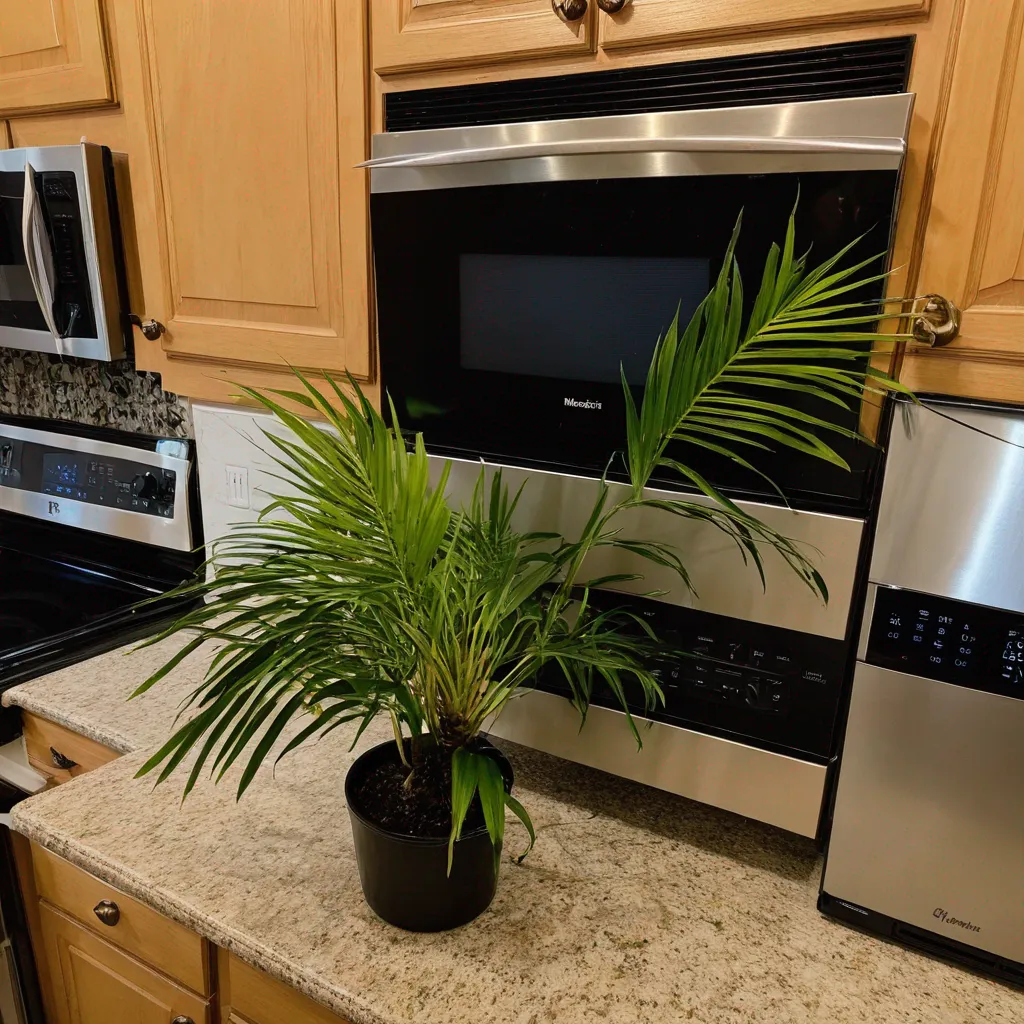
Parlor Palm vs. Majesty Palm
Section titled “Parlor Palm vs. Majesty Palm”I killed three Majesty Palms before I finally admitted defeat and switched to Parlor Palms. The first one turned brown in two months. The second one lasted through winter but gave up in spring. The third one I bought out of sheer stubbornness, convinced I could crack the code this time. I could not.
Here’s the thing nobody tells you when you’re standing in the garden center staring at those gorgeous feathery fronds: Majesty Palms are not houseplants. They look like they should be, they’re sold like they are, but they’re actually outdoor palms that tolerate being inside about as well as a Golden Retriever tolerates being ignored. Meanwhile, Parlor Palms are the actual indoor champions, but they don’t get nearly enough credit because they grow slower and stay smaller.
If you’re trying to decide between these two, or if you’re currently watching your Majesty Palm slowly transform into a crispy brown disaster, this is everything I wish someone had told me three dead palms ago.
Why Majesty Palms die indoors
Section titled “Why Majesty Palms die indoors”Majesty Palms come from Madagascar. They grow along riverbanks where it’s humid, bright, and warm year-round. When you bring one into your living room, you’re basically asking it to thrive in conditions it was never designed for.
The main problem is light. These palms want direct sun for several hours a day. Not bright indirect light (the phrase every plant blog loves to throw around), but actual sun hitting the leaves. Most of us don’t have that indoors unless we live in a sunroom or put the palm directly in a south-facing window. I tried the window thing. My cat knocked it over twice, and the fronds touching the glass got sunburned while the back half of the plant stayed dark and unhappy.
Humidity is the second killer. Majesty Palms want 50% humidity or higher. My apartment in winter hovers around 30% on a good day. I ran a humidifier next to mine constantly. I misted it (which I later learned doesn’t actually help much). I put it on a pebble tray. None of this was enough. The fronds kept browning from the tips down, that telltale sign of a palm that’s slowly dying of thirst in dry air.
According to the University of Florida’s IFAS Extension, Majesty Palms are technically outdoor plants in zones 10 and 11, meaning they’re meant for places like southern Florida where it never freezes. Growing them indoors is technically possible if you can replicate those conditions, but let’s be honest: most of us can’t. The same extension notes that these palms are sensitive to root disturbance and nutrient deficiencies, which makes them even trickier to keep alive when they’re already stressed from being inside.
The nursery industry keeps selling them as houseplants because they look incredible and they’re relatively cheap to produce. But cheap doesn’t mean easy. It just means you’ll probably buy another one when the first one dies, which is exactly what I did.
Parlor Palm: The better choice
Section titled “Parlor Palm: The better choice”Parlor Palms have been grown indoors since Victorian times. They’re native to the rainforest floor in Guatemala and southern Mexico, which means they evolved to handle low light. This is the critical difference. While Majesty Palms are throwing a tantrum because your living room isn’t bright enough, Parlor Palms are perfectly content in medium or even low light.
I have one sitting about eight feet from an east-facing window. It gets some morning brightness but no direct sun. It’s been there for two years and it looks better now than when I brought it home. The fronds are deep green, it puts out new growth slowly but steadily, and I haven’t had to fuss over it the way I did with the Majesty Palms.
Parlor Palms stay smaller, which is either a pro or a con depending on your space. Mine is about three feet tall and it’s not going to turn into a dramatic statement plant anytime soon. If you want that tall, tropical look, you’ll need to be patient or buy a mature plant. But the tradeoff is that it actually survives, which seems like a reasonable deal to me.
They’re also more forgiving with humidity. They’ll tolerate average household conditions without turning brown and crispy. I don’t run a humidifier for mine. During particularly dry winter months, I’ll see some slight tip browning, but nothing like the total frond death I experienced with Majesty Palms.
The Missouri Botanical Garden lists Parlor Palms as one of the best low-light houseplants and notes they’re particularly good for offices and interior rooms. That’s not marketing speak, that’s just reality. These palms were literally used to decorate Victorian parlors (hence the name) before electric lighting existed, so they’re genuinely adapted to indoor life.
One warning: Parlor Palms are slow growers. If you’re impatient like me, this can be frustrating. I spent the first six months checking mine weekly for new fronds and feeling disappointed. But slow growth also means less maintenance, less repotting, and a plant that stays a manageable size for years.
 Above: A close up look at the symptoms.
Watering indoor palms
Section titled “Watering indoor palms”I used to underwater my palms, then overcompensate and overwater them, then panic and let them dry out again. It was a mess. Here’s what actually works.
Palms like consistent moisture, but they don’t want to sit in water. The top inch or two of soil should dry out between waterings. I check this by sticking my finger into the soil up to my second knuckle. If it feels damp, I wait. If it feels dry, I water thoroughly until water runs out the drainage holes.
This usually means watering my Parlor Palm about once a week in summer and every 10 days in winter. But I don’t go by a schedule anymore. I go by the soil. Every home is different (temperature, humidity, pot size, soil type), so what works for me might be too much or too little for you.
When I water, I take the palm to the sink or bathtub and really soak it. I let water run through the soil until it’s draining freely from the bottom, then I let it sit for 15 minutes and drain completely before putting it back. This does two things: it ensures the entire root ball gets moisture, and it flushes out any salt buildup from fertilizer or tap water.
Palms are sensitive to chemicals in tap water, especially fluoride and chlorine. I let my water sit out overnight before using it, which helps the chlorine evaporate. Some people use distilled or filtered water. I haven’t gone that far with my Parlor Palm and it’s fine, but if you’re seeing a lot of brown tips and you’ve ruled out other causes, your water might be the problem.
One mistake I made with my Majesty Palms was watering them on the same schedule year-round. In winter, when there’s less light and lower temperatures, plants use less water. I was still watering like it was summer, and the soil stayed soggy. Root rot probably contributed to their demise, along with everything else.
Dealing with brown tips
Section titled “Dealing with brown tips”Brown tips on palm fronds are so common that I’ve just accepted a certain amount as normal. But there’s a difference between a little browning and fronds that look like they’ve been torched.
The most common cause is low humidity, which is why Majesty Palms in particular turn into brown disasters indoors. If your Parlor Palm has brown tips but the rest of the plant looks healthy, you can either increase humidity (grouping plants together helps, or running a humidifier nearby) or just trim the tips.
I trim mine with clean scissors, cutting at an angle to mimic the natural point of the frond. I don’t cut into the green part, just remove the brown. It won’t stop new tips from browning if the humidity is still low, but it makes the plant look better.
Over-fertilizing causes brown tips too. Palms are light feeders. I fertilize my Parlor Palm maybe three times a year during spring and summer with a diluted liquid fertilizer (half strength of what the bottle recommends). That’s it. I used to think more fertilizer meant faster growth, but with palms it just means burned tips and unhappy roots.
Inconsistent watering is another culprit. If you let the soil get bone dry, then soak it, then let it dry out completely again, the palm will protest with brown tips. This was my pattern with the Majesty Palms because I kept forgetting about them, then overcompensating.
According to research from the University of Georgia Extension, fluoride toxicity is a real issue for palms, especially Majesty Palms. The symptoms show up as tip burn on older fronds first. If you’re using tap water and seeing progressive browning, switching to distilled water or rainwater might help. I haven’t had this problem with my Parlor Palm, but it’s worth knowing about.
Sometimes brown tips are just old age. Palms naturally shed their oldest fronds as new ones come in. If the browning is limited to the lowest, oldest fronds and the rest of the plant looks good, it’s probably just the normal cycle.
 Above: The tools you need to fix this.
Spider mites on palm fronds
Section titled “Spider mites on palm fronds”I’ve never had spider mites on my Parlor Palm, but I got them on one of the doomed Majesty Palms. They show up as tiny specks on the undersides of fronds, and you’ll see fine webbing if the infestation gets bad. The fronds start looking dull and stippled, like someone took a tiny needle and poked a thousand holes.
Spider mites love stressed plants in dry conditions, which is exactly what a struggling Majesty Palm is. They’re less common on Parlor Palms because those plants tend to be healthier indoors, but it can still happen.
When I found them, I moved the palm away from my other plants immediately. Spider mites spread fast. Then I took the whole plant to the shower and sprayed it down, really getting under the fronds where the mites hide. I did this every three days for two weeks.
Between showers, I wiped down the fronds with a damp cloth. This is tedious with a palm because of all the little leaflets, but it physically removes the mites and their eggs. I also increased humidity around the plant because spider mites hate moisture.
Some people use neem oil or insecticidal soap. I tried neem oil once and it left an oily residue on the fronds that I didn’t love, but it does work if you’re consistent. The key is repeat applications because you’re not going to kill all the eggs in one go.
If the infestation is really bad and the plant is already declining (like my Majesty Palm was), sometimes it’s easier to just cut your losses. I know that sounds harsh, but spider mites are persistent, and if the plant is already half-dead from other stress, treating it becomes a huge time sink for something that might not recover anyway.
For prevention, I wipe down my Parlor Palm’s fronds every few weeks when I’m cleaning. I also make sure it’s not sitting near a heat vent, which creates the hot, dry conditions spider mites love. Keeping the plant healthy overall is the best defense. Healthy plants can fight off minor pest pressure on their own.
The thing about palms is they show stress slowly, then all at once. You’ll think everything is fine, and then suddenly half the fronds are brown and there’s an infestation. By the time my Majesty Palms looked truly bad, they were already too far gone. My Parlor Palm, on the other hand, has been steady and reliable from day one because it’s actually suited to indoor life.
If you’re choosing between these two, save yourself the heartbreak and go with the Parlor Palm. It won’t give you that instant tropical drama, but it also won’t die on you three months later. And honestly, a healthy small palm beats a dying large one every single time.
References
Section titled “References”University of Florida IFAS Extension. “Ravenea rivularis: Majesty Palm.” Environmental Horticulture Department.
Missouri Botanical Garden. “Chamaedorea elegans.” Plant Finder Database.
University of Georgia Extension. “Fluoride Toxicity in Ornamental Plants.” Horticulture Publications.